
Weather Forecast & Live Radar review
 Analysis by GetAllApps
Checking the weather sounds like a tiny task until it becomes part of every decision: whether to leave now, carry an umbrella, change a commute, or rethink an afternoon plan. The annoying part is not opening a forecast once; it is having to keep searching for a useful update when conditions may change through the day. Weather Forecast & Live Radar is designed to make that routine easier, bringing daily and hourly forecasts together with local and national air quality information.
A quicker answer to the everyday weather question
I like the practical focus here. A weather app is most valuable when it helps answer an immediate question without turning a simple check into a research project. The app’s central promise is straightforward: look up the forecast for today, see how the hours ahead are shaping up, and check air quality in the same place. That combination makes it useful for ordinary planning rather than only for watching dramatic storms or checking a distant destination.
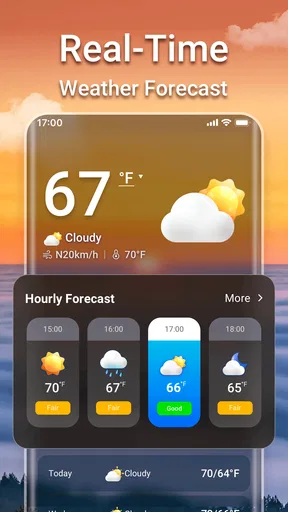
The recurring problem it tackles is decision-making with incomplete information. A general sense of the day’s weather may be enough in the morning, but it can be less helpful when you are deciding whether to walk, run errands, or stay out later. An hourly forecast gives the day more shape, while local air quality adds another consideration for people who prefer to account for the conditions outside before heading out.
There is also a useful distinction between local and national information. Local forecasts help with immediate plans, while a broader view can offer context when you are thinking about travel or conditions elsewhere. I would not expect every check to require both perspectives, but having both types of weather information available makes the app’s overall purpose more flexible.
Getting to a useful first check
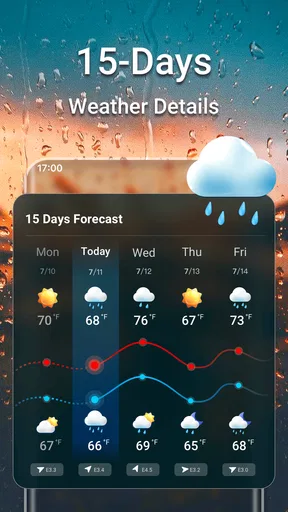
The best way to judge a forecast app is by how quickly it becomes relevant to your own routine. With Weather Forecast & Live Radar, the natural starting point is to check the forecast for the place that matters to you, then use the daily and hourly views for different kinds of planning. The daily view suits a quick overview; the hourly forecast is more useful when timing matters.
That simple division helps keep the experience understandable. You do not need to treat every visit as a deep dive. If you only want a general idea of the day, the daily forecast is the obvious stop. If you are trying to decide whether to leave soon or wait, the hour-by-hour information is the more practical choice. Air quality sits alongside the weather information as an additional factor, rather than changing the basic purpose of the app.
For a first-time user, I would keep expectations grounded: the value comes from making routine checks convenient, not from replacing judgment or guaranteeing that plans will go exactly as expected. Forecasts are tools for making better-informed choices. A glance can help you prepare, but conditions and personal needs still matter, particularly if an outdoor activity depends on more than a broad forecast.
How it fits into an ordinary day
In the morning, a daily forecast is useful for deciding what kind of day to prepare for. It can help you think ahead before leaving home, especially when you have a commute or errands that are difficult to reschedule. Instead of relying on a vague impression, you can consult a forecast intended to summarize the day and then look at the hourly view if your schedule calls for more precise timing.
Later on, the hourly forecast becomes more relevant. If you are planning a walk after work or trying to choose when to run an errand, a broad daily outlook may not be specific enough for the decision in front of you. Hourly information is designed for that narrower question: how conditions may develop as the day progresses. I find that distinction more helpful than repeatedly checking a general forecast without a clear plan in mind.
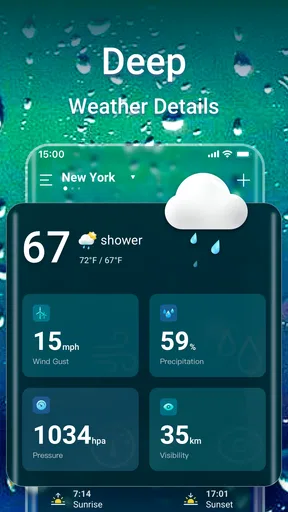
Air quality adds a different kind of context. Weather conditions are only one part of deciding whether time outdoors feels suitable, and a local air quality view can give users another piece of information to consider. It is particularly useful as a companion to the forecast rather than as a replacement for it: the weather helps with timing and preparation, while air quality can inform how comfortable an outdoor plan may be.
The national perspective is most relevant when the question is not limited to your immediate neighborhood. You might be considering a trip, following changing conditions across a wider area, or simply wanting to understand how local weather fits into a larger picture. Having local and national information in one weather app gives the product a broader role without changing the straightforward daily use case.
Less searching, less friction
The main time-saving benefit is consolidation. When daily and hourly forecasts and air quality information are available within one weather app, you have fewer reasons to switch between separate sources just to assemble a basic picture of the day. That does not mean every check will be instant or that every forecast will resolve a decision for you. It means the app is organized around several closely related questions people commonly ask.
That can reduce small bits of friction that add up. You may want a quick overview before leaving, a closer look at the hours ahead before setting off, or an air quality check before spending time outside. Those are related needs, and bringing them under one roof makes the app easier to return to as plans change. For me, this kind of convenience is more meaningful than a long list of features that are impressive on paper but rarely useful in daily life.
The app is free, which makes it easy to try as a practical addition to a phone rather than a purchase that needs extensive comparison first. It is available for Android, with a minimum operating system requirement of version 6.0. That broad starting point can make it accessible to people using older supported Android software, while the overall appeal remains the same: a simple place to check forecasts and air quality.
Its audience is broad, too. The content rating is Everyone, and the core use case does not depend on specialist knowledge. Someone who checks the weather before commuting can use it for that routine; someone planning an outdoor afternoon can consult the hourly forecast and air quality. The app’s uncomplicated subject matter is part of its appeal: you do not need to learn a complicated system before getting practical value from a forecast.
What reliability means for a forecast app
Reliability is not just a question of whether an app opens. For a weather tool, it also means being clear about the kind of information it offers and making that information useful at the point when a decision is due. Daily and hourly forecasts serve different planning needs, and local and national views serve different geographic needs. Weather Forecast & Live Radar covers those broad use cases, giving users several ways to frame a check without making the app’s purpose hard to understand.
At the same time, forecasts are guidance, not promises. I would use the app to prepare and compare options, especially when timing matters, but I would avoid treating any forecast as a guarantee that the sky will behave exactly as expected. That is a sensible standard for any weather app. The more useful question is whether the information helps you make a more informed choice than you would have made without checking.
The app’s popularity suggests that many people have found it worth trying: it has more than a million installs and an average rating of 4.7 from around 48,000 ratings. Those figures offer some reassurance that it has attracted a substantial audience, though they do not replace a personal test. The right weather app is the one whose information fits the way you plan your own day.
Who is likely to appreciate it?
I would recommend giving it a look if you want a free weather forecast app centered on daily and hourly information, with air quality included as part of the picture. It makes particular sense for people who check conditions repeatedly because of commutes, errands, outdoor plans, or travel. The combination helps keep routine questions in one place instead of making every check feel like a fresh search.
It is also a sensible option for someone who wants weather information without turning it into a hobby. You can use the daily forecast for a quick overview, consult the hourly view when timing is important, and check local or national conditions depending on the question. That straightforward range is the app’s strongest practical argument: it supports several everyday decisions without asking users to adopt a complicated routine.
People who need a forecast for a highly specialized activity may want to consider how much detail their plans require. The app’s clearly stated focus is daily and hourly forecasts plus local and national air quality, so that is the lens through which I would evaluate it. It is best approached as a convenient everyday utility, not as a substitute for expert guidance or a guarantee about conditions.
A practical verdict for everyday planning
Weather Forecast & Live Radar is built around a familiar need and handles it with a useful combination of forecast timeframes and air quality information. Its value is less about making weather complicated and more about helping users spend less time hunting for a basic answer. The daily forecast offers a quick orientation, the hourly view helps with timing, and local or national information gives the check a wider or narrower focus as needed.
There is no need to make a weather check more involved than it has to be. If you are tired of opening several sources to decide what to wear or when to head out, a single app covering daily and hourly forecasts alongside air quality can remove some of that friction. I would still treat forecasts as guidance and use the view that matches the decision at hand, rather than expecting one glance to settle every plan.
Overall, this is a straightforward choice for people looking for a free weather app for daily planning. It focuses on information that supports ordinary routines, is rated for Everyone, and has earned a 4.7 average across a large audience. If your main goal is to check the day, refine the timing, and keep air quality in view, it offers a practical place to start.
Pros and cons
Pros
- Hourly forecasts help with planning throughout the day.
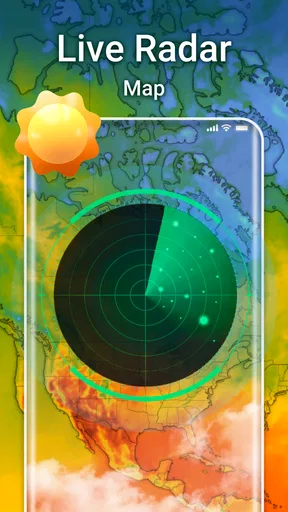
- Radar maps make it easier to track approaching rain.
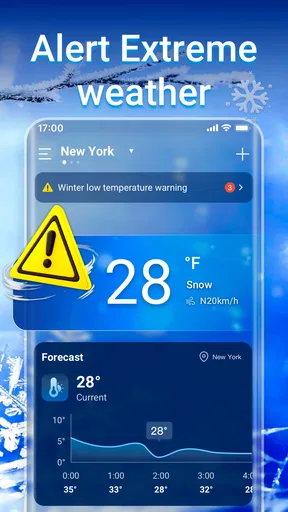
- Weather alerts can provide timely warnings about severe conditions.
- Multiple locations are useful for checking weather while traveling.
- A clear forecast layout makes key details easy to scan.
Cons
- Forecast accuracy can vary by location and weather conditions.
- Frequent alerts may become distracting.
- Radar data may update slowly in some areas.
- Some features may require an internet connection.
- Advertising may interrupt the browsing experience.


